

When I was a young adult, I was extremely organized. My husband teases me that I was one of the “smart kids” and I admit I was. I was in the top 20 of my graduating class. Not 20%, 20 people. I could keep track of things and information well. I understood how to use a filing drawer, organize an outline for notes in class, keep items for different purposes neat and tidy. I could navigate my world. Back then, the list of stuff I needed to keep organized was short and focused. The internet was barely gestating in the minds of computer geniuses. Looking up information often involved phone-books, indexes, card catalogs, and interpersonal communication skills – that means actually talking to the librarian. The HOW behind systems of information organization was integrated into my education from a very young age.
Even foundational everyday life experiences were different. An experience that stands out was my mother taking my sister and me shopping at the grocery store with her. When we were old enough – I think we were six and eight, she taught us to read the labels down the side of the grocery store aisles. Soon she used us as “go-fors” as she went up and down the aisles of the store, sending us to the far end so by the time she got to the middle we had covered the whole store.
When was the last time you saw a pair of kids under ten years old walking alone through the aisles of the local store carrying the carton of milk like they are on a mission?
This simple act of physically walking to where the desired item is and retrieving that item based on the use of written information, and completing the mission has been stripped from so many experiences in the lives of today’s children in the name of keeping them safe. Children three times bigger than the cart’s child seat is designed for are riding inside the parent’s grocery cart, often on a mobile device ignoring the actual live activity going on around them. This is training them to be oblivious to the omnipresent information provided all over in everyday life.
I am a teacher. I have worked with over a thousand students between the ages of 5 and 15 at this point. I still would not call myself an expert, but I have some experience.
As I was saying, I have worked with a few kids now and then. I have observed that if you ask them where to go find information, they all usually only have two answers – the helpful adult in their life, or the internet. This frustrates me fundamentally because I have assisted with and observed these students have well-facilitated lessons on information systems and information-use in their library classes. However, they often list Google as the source of information they are using. There is a huge disconnect. I am very aware there is a disconnect because even I realize I am fighting to fill a gap sometimes. I lose track of the source of some information I am functioning off of. I might have a need to act on information and can not find it, and then I am back on the internet. Things that used to be simple are both easier to access, and harder to navigate because of the internet.
In my youth, I went to that card catalog with a search term in mind – the one that sticks out in my memory was when I searched in the high school library for “dying hair” – but then I had to physically walk to the stacks and use the Dewey Decimal system to locate that book and physically take it to the check out counter to borrow it. I remember the librarian smiling knowingly at me and trying to convince me not to check out the book. I was a freshman. This memory now makes me laugh, but do you see that extra guiding hand in the acquisition of information for the young? Today, Google or Bing or YahooSearch or whatever search engine that is in use is the card catalog, it is NOT the book that holds the desired information. The internet is the equivalent of the library. But the information available to search is endless. There is no librarian asking questions about how you plan to use that information and gently ensuring you know what it is you are actually getting into. Not unless you are actively monitoring your child’s internet use. Even then, stuff slips in. Children need to know how to recognize good from bad on the internet.
I grew up information privileged. With a librarian for a father, I learned organically just because of our family life how to determine good information from poor or incomplete information. I learned primary sources and live experts are the best. I learned to question and get second opinions. I could not have verbalized this knowledge at 16, but I knew it – like a 5-year-old knows to look both ways when crossing the street – because I was taught to.
Why is this comprehension disconnect an issue I am concerned enough about it inspired an entire page of writing?
I have been pondering over the High School Juniors – not the Seniors who are getting all the attention. Yes, they had a huge struggle this year graduating amidst the various forms of quarantine 2020 brought upon us. The Juniors meanwhile are not on the minds of most unless you are the parent of one. The summer between Junior and Senior year is when high school students ideally are supposed to visit college campuses they have been contemplating and to narrow down their college options. If that option is already straight and narrow, based on personal dreams or family traditions, incoming Seniors are often searching for those important details of information about that desired college: what extracurricular activity will push your application to the top, what exactly are the GPA requirements, health information, dorm life information, transportation information. All these answers are available on the ubiquitous internet. They are there for the taking. But to physically go preview the landscape is a whole different experience. So many locations are still closed and options are limited. With this in mind, my question is, will the child who never went off on their own to retrieve the milk be able to go off on their own to retrieve that college education, then be able to walk their way through the proverbial aisles back to the home-base of the parent’s metaphorical grocery cart?
Parents of upcoming seniors, now is the time. If you have not already done so, send them to buy the milk.
Aisles of Life’s grocery store you may not have thought to walk down yet:
Legal documents every college student needs
Critical legal documents every parent of a college student should get in place now
3 planning documents every college student needs
More choose-your-favorite type aisle’s to explore:



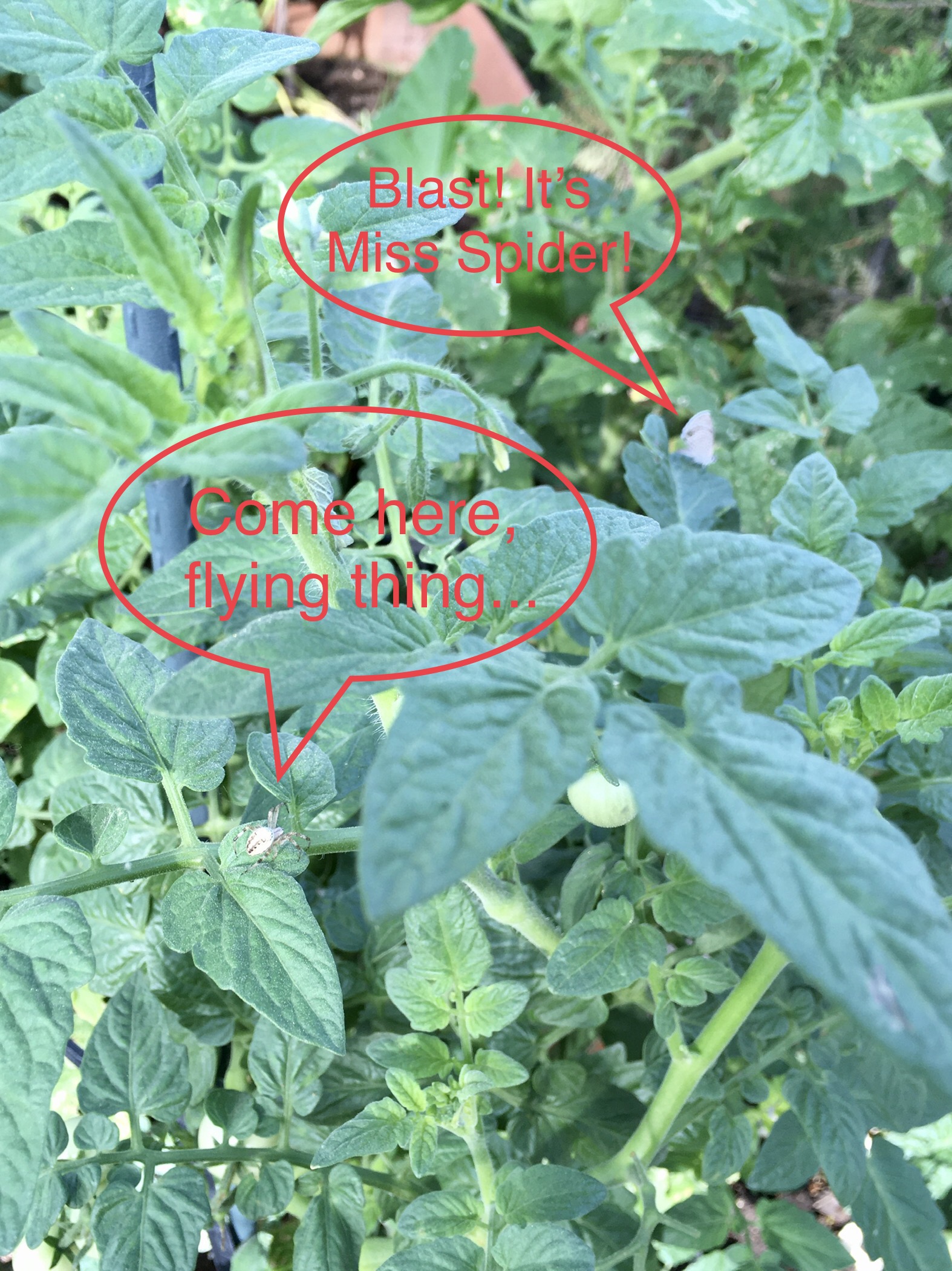 And while we learn legitimate standards-based education topics, these characters could help us discuss the world – all of it – like the happy in the glistening dew on the web, the sad like the attacked basil, and the tough to justify… like the squished cockroach. The possibilities to mix the









 Krowework by Ms. Crowe